Reseda
When a blood pressure check in Reseda is worth the call
High blood pressure is one of the most searched health topics because it usually feels like nothing. A single number on a machine is not a diagnosis.
Why the check matters
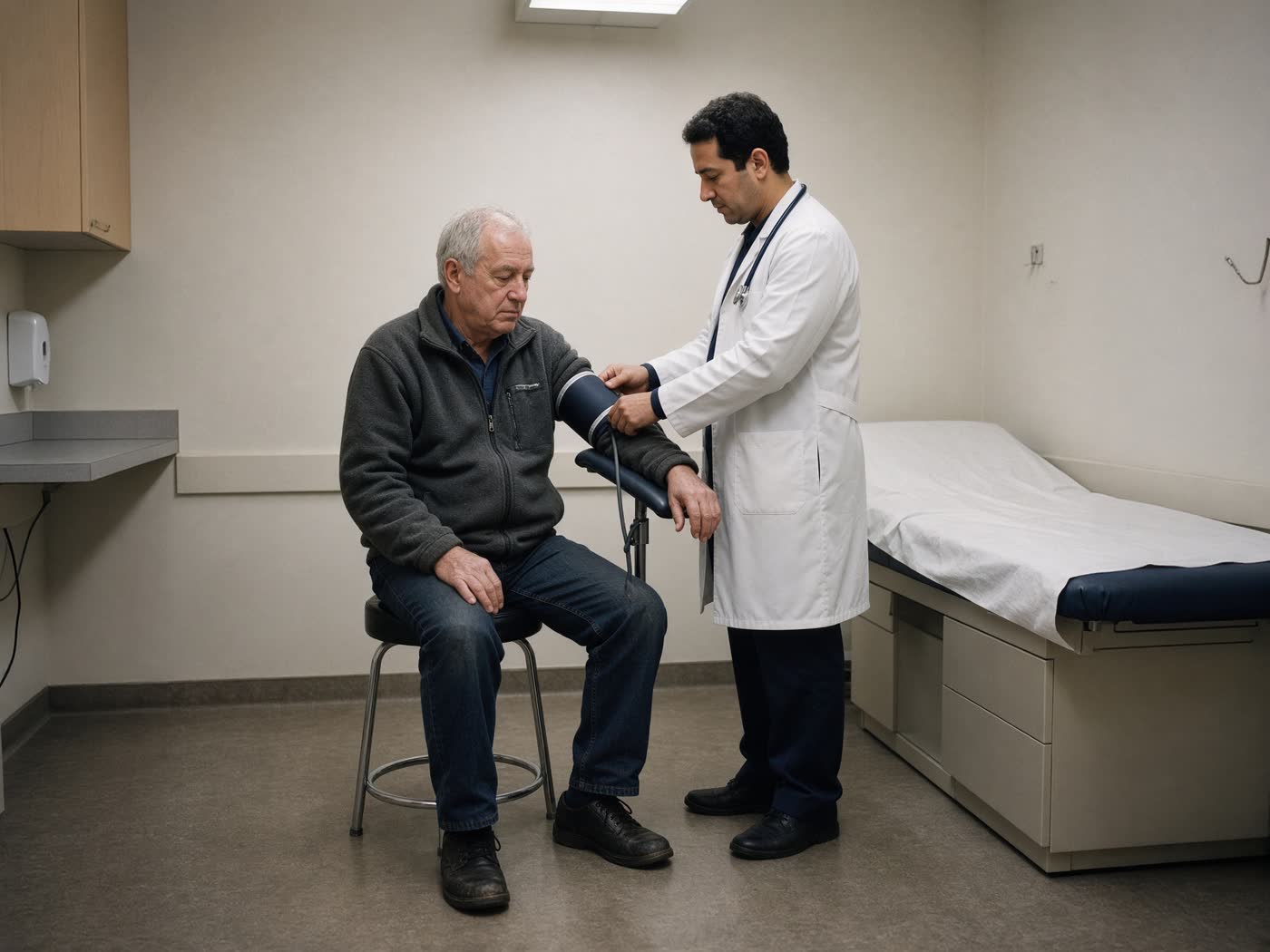
High blood pressure is common, and many adults who have it do not feel sick. Over years it raises the chance of heart attack, stroke, heart failure, and kidney disease. That is why public guidance, including the U.S. Preventive Services Task Force, supports checking blood pressure in adults. The check is a screening when you feel well. It is not a prize for having symptoms. A pharmacy machine, a home cuff, and a clinic reading can disagree. Cuff size, a full bladder, caffeine, a recent cigarette, talking during the reading, and rushing in from the parking lot all move the number. Write home readings down with the date and the time. One rushed number on a website is not a reason to start or stop a medicine. It is a reason to talk with a clinician who can repeat the reading.
Categories are general education
Clinicians often describe adult blood pressure with categories used in general education. A reading under 120 systolic and under 80 diastolic is commonly called normal. Systolic 120 to 129 with diastolic under 80 is commonly called elevated. Systolic 130 to 139 or diastolic 80 to 89 is commonly called stage 1 hypertension. Systolic 140 or higher, or diastolic 90 or higher, is commonly called stage 2. These bands are not a diagnosis for you, and they are not a treatment order from this page. Targets change with age, diabetes, kidney disease, pregnancy, and the medicines you already take. A clinician has to confirm the pattern, often with more than one reading on more than one day. Do not treat a single category as permission to borrow someone else’s pills. Confirm the meaning of your own numbers at a visit.
One reading is not a plan
Blood pressure moves through the day. A high reading at a drugstore can fall after you sit quietly, and a calm reading at home can miss highs that happen at work. The useful record is a pattern: morning and evening numbers for several days, taken after sitting still, with the cuff on bare skin and the arm supported. Bring that list. Also bring the names of prescriptions, pharmacy-shelf pills, and supplements. Pain medicines, decongestants, and some herbs can raise the number. Tell the clinician if you skip doses because of side effects or confusion about the label. That fact changes the plan more than a lecture does. This page will not tell you which pill to take. It will not tell you that a home monitor you bought is accurate until someone compares it with a clinic cuff.
What the visit includes
At Canby Community Clinic, a screening conversation can include a blood pressure reading when it helps. The clinician will ask what brought you in, what you were told before, and whether anyone in the family had a stroke or heart disease at a young age. You may talk about salt, activity, alcohol, tobacco, sleep, and stress without being handed a slogan. None of those topics replaces a medicine you were told to take. If a repeat reading stays high, the next step may be a home log, a blood test, or a return visit. Some tests are done outside suite 6B. Ask where the test is done before it is ordered. The visit is a conversation with a clinician. It is not a diagnosis delivered by this article, and it is not a promise that every high reading becomes a prescription the same day.
When to call 911
A very high reading needs a different door when symptoms are present. Call 911 for chest pain, trouble breathing, weakness or numbness on one side, trouble speaking, a sudden severe headache, fainting, or confusion. Public education often treats a systolic pressure of 180 or higher, or a diastolic pressure of 120 or higher, as a reason to get medical help promptly, especially with those symptoms. Do not drive yourself to a clinic to see if it falls. Canby Community Clinic is not an emergency department. Suite 6B cannot treat a stroke or a heart attack, and the website is not watched at night or on weekends. If the number is high and you feel well, still call a clinician the same day rather than waiting months, and ask whether you should be seen now or the same week. Confirm the urgency with a person, not with a chart on a page.
How to ask for it
Call (818) 674-4414 on a weekday and say you want a blood pressure check or a general visit. The clinic is at 7601 Canby Ave #6B, Reseda, and the desk is open from 9 to 5. It is a nonprofit community clinic, not a walk-in urgent care, and it does not promise a same-hour visit. Call before you travel. The clinic does not publish a list of accepted insurance plans on this page. A request on this website is not a confirmed visit. Wait until a person tells you the day, the time, and what to bring. Bring home readings and medicine bottles if you have them. English and Spanish are both fine. If you need an interpreter, say so when you schedule. Neighbors come from the west San Fernando Valley. If you searched from another part of Los Angeles, ask whether the trip fits before you come.
Source: MedlinePlus. This page does not diagnose you.
Preventive screenings
Checks matched to your age and history. A result is not, by itself, a diagnosis.