
01
You reach us
A phone call, or a short request with only the details needed to call you back. No history, no symptoms, no insurance number through the website.
Your visit
New and returning patients follow the same path: reach us, wait for confirmation, arrive prepared, and leave knowing the next step. This page is the whole path.
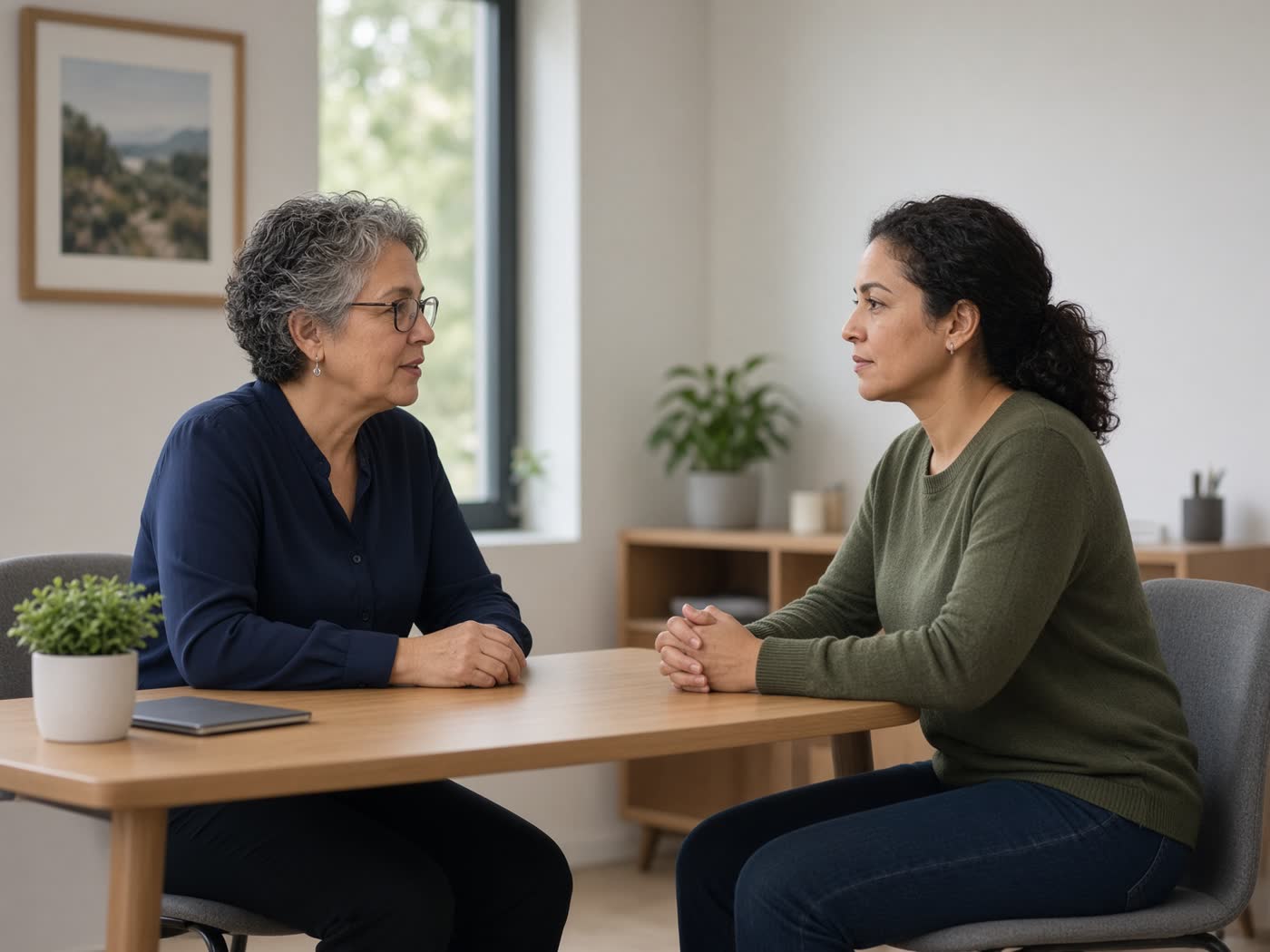
Information is available in English and Spanish. Tell us when you schedule if you need an interpreter or want a family member in the room. Say so early, so we can tell you what we can arrange.
Insurance status, language, transportation, and the simple difficulty of finding an appointment keep people out of basic care. The clinic exists to lower those barriers — not to pretend they are gone. Ask about insurance and eligibility before you come.
01
A phone call, or a short request with only the details needed to call you back. No history, no symptoms, no insurance number through the website.
02
You hear whether the service is available, what eligibility looks like, and which documents to bring. Until then, you do not have an appointment.
03
The visit stays with your concern, your medicines, and the questions you wrote down. An exam and measurements are done when they change the plan.
04
Treatment, a test, a follow-up, a referral, or a community resource — which one, and how to take it. If the answer is “not here,” that is said out loud.
Primary care can help an adult who wants a general checkup, follow-up for a stable condition, or a non-emergency place to start. The clinic decides whether a concern can be addressed safely here.
Do not email medical records, Social Security numbers, insurance member numbers, diagnoses, or test results to a general inbox. Ask the clinic for an approved secure method when records are needed.
Insurance requirements, eligibility, and availability change. Do not assume every service is free, and do not assume your plan is accepted. Call first.
Confirm the suite, the time, and whether you need to fast or do anything else before you come. Allow time for parking and check-in.
This website is not watched for emergencies. Call 911 or go to the nearest emergency department. For a weekday visit, call (818) 674-4414.
Begin here
A request is not a confirmed visit. We will contact you on a weekday to confirm what is available and what to bring. Please do not include symptoms, diagnoses, or insurance numbers.