Reseda
A cholesterol check is a conversation before it is a lab
People search cholesterol because a past result scared them, or because no one has explained the paper. The useful visit starts with that story, not with a supplement.
What the search is asking
How do I lower cholesterol is often a question about last year’s lab, a parent’s heart attack, or a number an app flagged in red. Food, movement, tobacco, and medicines can all matter. Which one matters for you is not something a clinic website can assign. Cholesterol itself is a blood fat the body uses. Trouble starts when the pattern of fats, together with blood pressure, diabetes, smoking, and age, points to a higher chance of a heart attack or stroke. A single food rule will not settle that. Bring the old paper if you still have it, even if the lab was in another city. If you only remember that the doctor said it was a little high, say that. The visit can start from a sentence. It does not have to start from a perfect chart. This article is not a diagnosis and it is not a meal plan.
What a lipid panel shows
A cholesterol check is usually a lipid panel, a blood test. The report often lists total cholesterol, LDL cholesterol, HDL cholesterol, and triglycerides. LDL is commonly called the cholesterol that raises risk when it stays high. HDL is commonly described as the cholesterol that is more helpful when it is higher. Triglycerides are another blood fat, and a recent meal can push them up, which is why some labs still ask you to fast. Other labs accept a non-fasting sample for the rest of the panel. Follow the instruction for the lab you are actually using. The panel is not done by looking at a meal, and it is not a fingerstick you interpret from a video. Abnormal cutoffs in a brochure are general education. A clinician reads them next to your age and your other risks. Do not treat a headline number as the only one that counts.
Risk decides the next step
Public guidance often uses a lipid panel, with age, blood pressure, smoking, and diabetes, to estimate heart risk in adults about 40 to 75 years old. The U.S. Preventive Services Task Force talks about statin medicine for primary prevention in that age range when risk factors and estimated risk are high enough, and a more selective conversation when risk is lower. Younger adults may be checked when family history of early heart disease or other risks are present. A statin is a prescription decision. It is not a supplement, and it is not something to borrow. Side effects, other medicines, pregnancy, and liver history all change the choice. This page will not tell you to start a statin or to stop one. If a past clinician recommended a medicine you never filled, say that at the visit. The unpaid prescription is part of the medical story.
Food is not a prescription
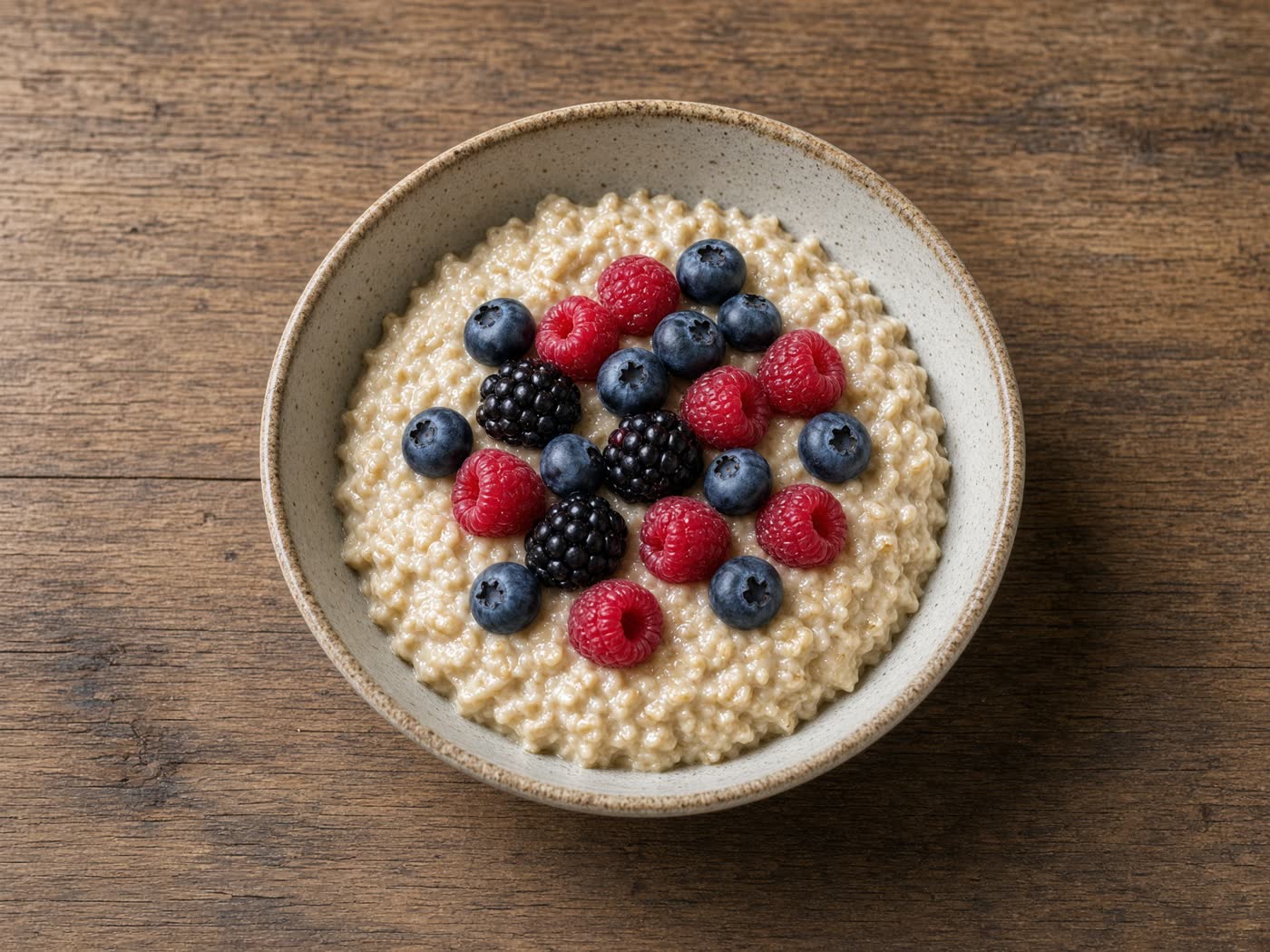
Oats, beans, vegetables, fish, and fewer sugary drinks show up in public guidance because they are reasonable for many people. Replacing some saturated fat with unsaturated fat is a common piece of that guidance. These are not a personal prescription, and they do not replace a medicine you were told to take. A bottle that says it supports healthy cholesterol is marketing. Red yeast rice and other products sold as natural can contain drug-like substances and can interact with real medicines. Do not add them quietly. Tell the clinician what you already take. Exercise helps many risk factors, and it is still not a number you can promise from a webpage. If chest pain starts while you are trying to walk more, stop and get urgent help. Do not push through pain to finish a plan you found online. Food and walking are topics for the visit, after safety is clear.
The draw may be elsewhere
A clinician in Reseda can talk through risk and, when it is appropriate, help arrange a blood test. The blood draw is often somewhere else. Ask where it is, whether you must fast, and how you will hear the result before you go. An outside laboratory may happen somewhere else even when the clinic visit itself was arranged. That site is not a detail to discover later. Ask what an abnormal result would lead to, so you are not surprised by a second test. Bring the old report so the new one can be compared with it. Trends matter more than a single scary line. If you do not understand the words on the page, ask for a plain explanation in English or Spanish. You should leave knowing which number is being watched and when it would be checked again. If the visit cannot answer that, ask for the next appointment before you go.
Book it as a question
Call (818) 674-4414 and say you want to talk about cholesterol or a past lab. Canby Community Clinic is a nonprofit at 7601 Canby Ave #6B, Reseda, open weekdays from 9 to 5. Ask whether the test can be arranged and where it is done. The clinic does not publish a list of accepted insurance plans. A request on this website is not a confirmed visit. Wait for a person to set the time. This page is not a diagnosis, and the suite is not an emergency department. Call 911 for chest pain, trouble breathing, sudden weakness, or trouble speaking. Do not bring those problems to a cholesterol appointment later in the week. If your only question is how to read an old paper, the weekday visit is the right door. Bring the paper, the medicine list, and one question written down.
Source: MedlinePlus. This page does not diagnose you.
Testing and labs
Help arranging basic tests when a clinician decides they are appropriate.