
Reseda
What to bring so a short visit is not wasted
The visit fails in a predictable way: the medicine list is at home, the question is remembered in the parking lot, and the result from last year is a photo you cannot find.
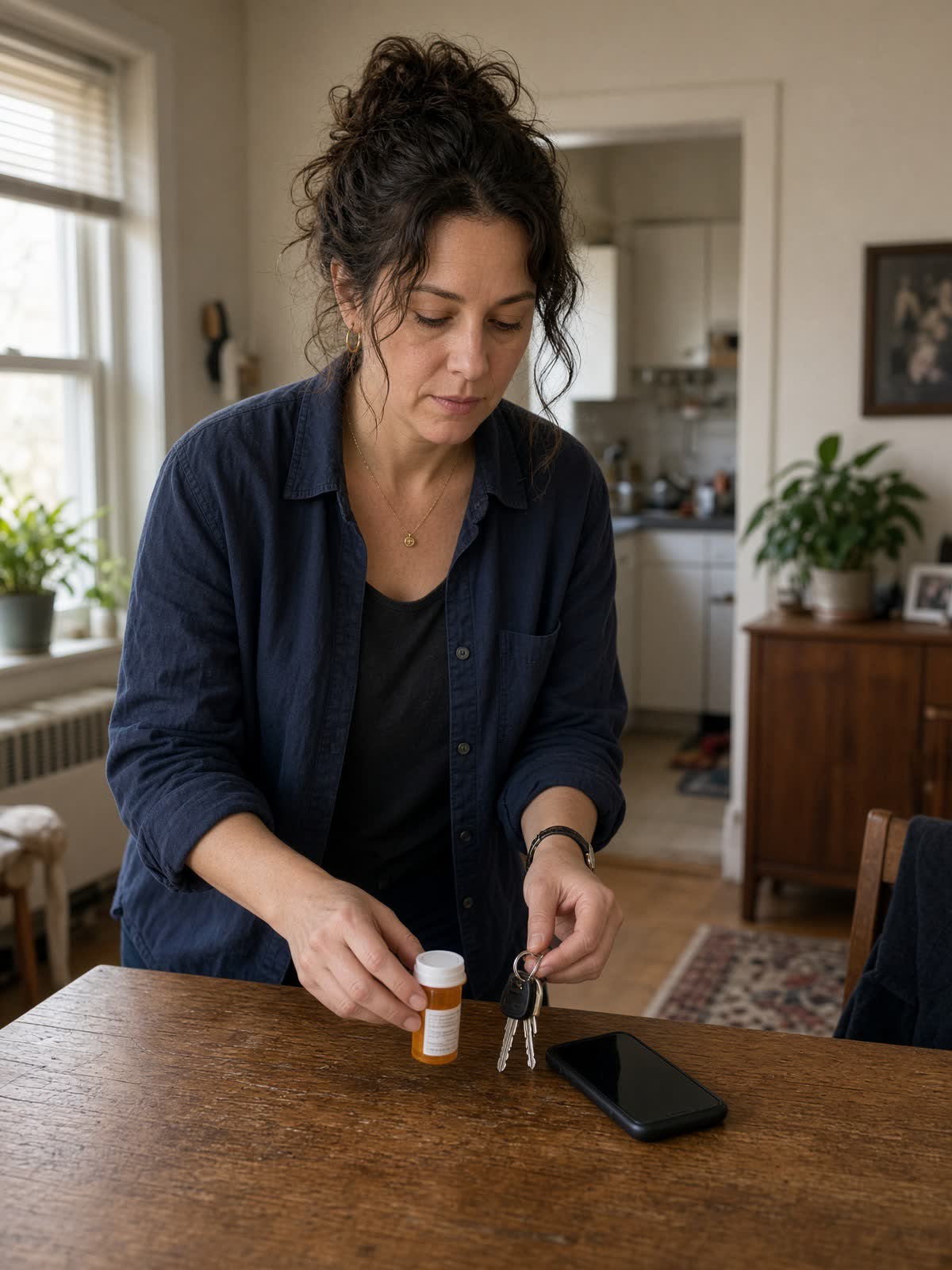
Bring what you already have
Bring photo identification if you have it. Bring insurance information if you have coverage, but do not stay home because you do not. Bring your pharmacy’s name and phone number. Bring old results, discharge papers, or vaccine records on paper if you can find them. A photo on your phone is better than nothing if the text is readable. You do not need every record ever made. You need enough that the clinician is not guessing about the last blood pressure, the last sugar test, or the reason another office sent you. If you have no papers, come anyway and say that. Canby Community Clinic is a nonprofit at 7601 Canby Ave #6B in Reseda. Call (818) 674-4414 on a weekday from 9 to 5 before you arrive. A request on this website is not a confirmed visit. Ask what this particular visit requires so you are not turned around for a missing item you could have brought.
Do not email the records
Diagnoses, lab reports, member numbers, and Social Security numbers do not belong in a normal email or in the form on this website. Those messages are easy to misplace and hard to protect. Call the clinic and ask how records should travel, if they are needed at all. Sometimes a list you wrote is enough. Sometimes a prior office can send a record after you sign a release. Do not assume another hospital automatically shares a chart with this suite. If you want records sent, ask who should receive them and how. Bring the paper copy to the visit when the file is thin. Black out nothing you want the clinician to see, and do not hand over a stack you yourself have never looked at if a shorter list would do. The goal is a usable story, not a suitcase of folders. Privacy is part of the visit, not a barrier to it.
Questions worth writing down
Four questions cover most visits. What is the plan? What would make you tell me to come back sooner? Which medicine is the one I should not stop on my own? Where is the test done, where it is done, and who calls me with the result? Write them on paper so they survive the nervousness of the room. Add the one worry you keep postponing, even if it feels small or embarrassing. Clinicians cannot answer a question you never say. If there is time for only one, lead with the one that changes what you do this week. Ask for the answer in words you can repeat to a family member later. Ask what the next step is called, so you can book it or decline it on purpose. This page is not a diagnosis, and it cannot rank your questions for you. The visit can. Leave with the answers written, not only remembered.
Medicines, allergies, pharmacy
Bring the bottles, or a list that includes prescriptions, pills from the pharmacy shelf, vitamins, and supplements. Include the dose and how often you actually take it, which may not match the label. Include creams, inhalers, eye drops, and injections. Include a medicine you stopped and the reason, especially if it made you sick or you could not pay for it. Name allergies, and say what happened: a rash, swelling, vomiting, or only an upset stomach. Those are different problems. Give the pharmacy name so a prescription, if one is written, has somewhere to go. The clinic does not stock every medicine and cannot promise a drug is on the shelf somewhere else. Ask how to take the medicine before you leave if getting it has been hard. Ask which medicine interacts with the one you buy for pain. Do not start a leftover antibiotic because it is already in the cabinet.
The time has to be real
Arrive only after the time is real. A person at the clinic confirms the day, the time, and what to bring. The door is suite 6B on Canby Avenue in Reseda. Call ahead about parking and the entrance, and ask about step-free access if you need it. Come a few minutes early if staff asked you to, and call if you are running late rather than assuming the slot will hold. If you need to cancel, call as soon as you know so someone else can use the time. The clinic is not an emergency department and does not take unscheduled emergencies. If you feel worse on the way and the problem is chest pain, trouble breathing, or sudden weakness, stop and call 911 instead of trying to make the appointment. For a routine visit, bring the list and the questions. English or Spanish is fine. Say which you want when you schedule, and ask for an interpreter if you need one.
A short visit can still help
A first visit will not finish every screening that exists. It should settle the concern you have now, the medicines you take, and the next step. That next step might be a return visit, a blood test at another site, or a different office. Ask where each piece happens before you agree. The clinic does not claim that a specific insurance plan is accepted. If you have Medi-Cal or another card, bring it and let staff tell you what it means for this visit. If you have no card, say that on the phone. You will not be asked to perform a perfect history. You will be asked what hurts, what you take, and what you are afraid of. Answer those. Then ask the clinician to say the plan once more while you write. That last minute is the part people skip, and it is the part that makes the visit useful after you leave the room.
Source: MedlinePlus. This page does not diagnose you.
Primary care
A general visit in Reseda for a new concern, a stable condition, or when you are not sure where to start.